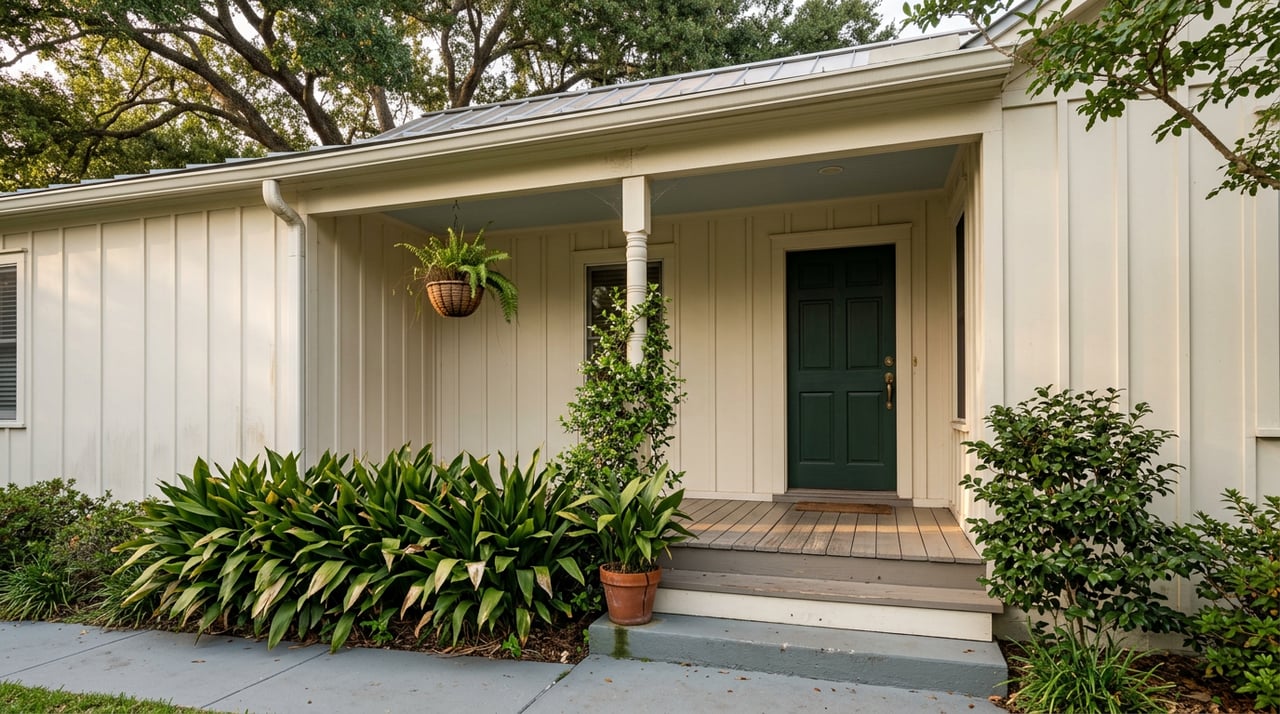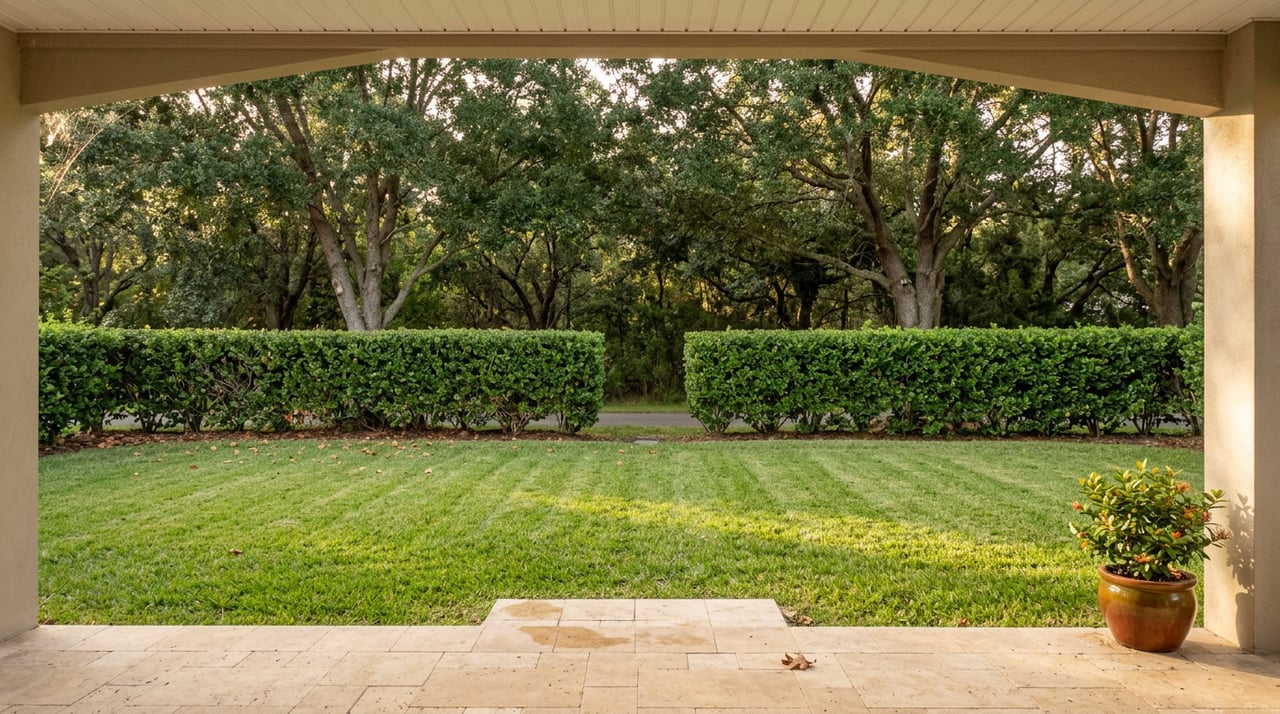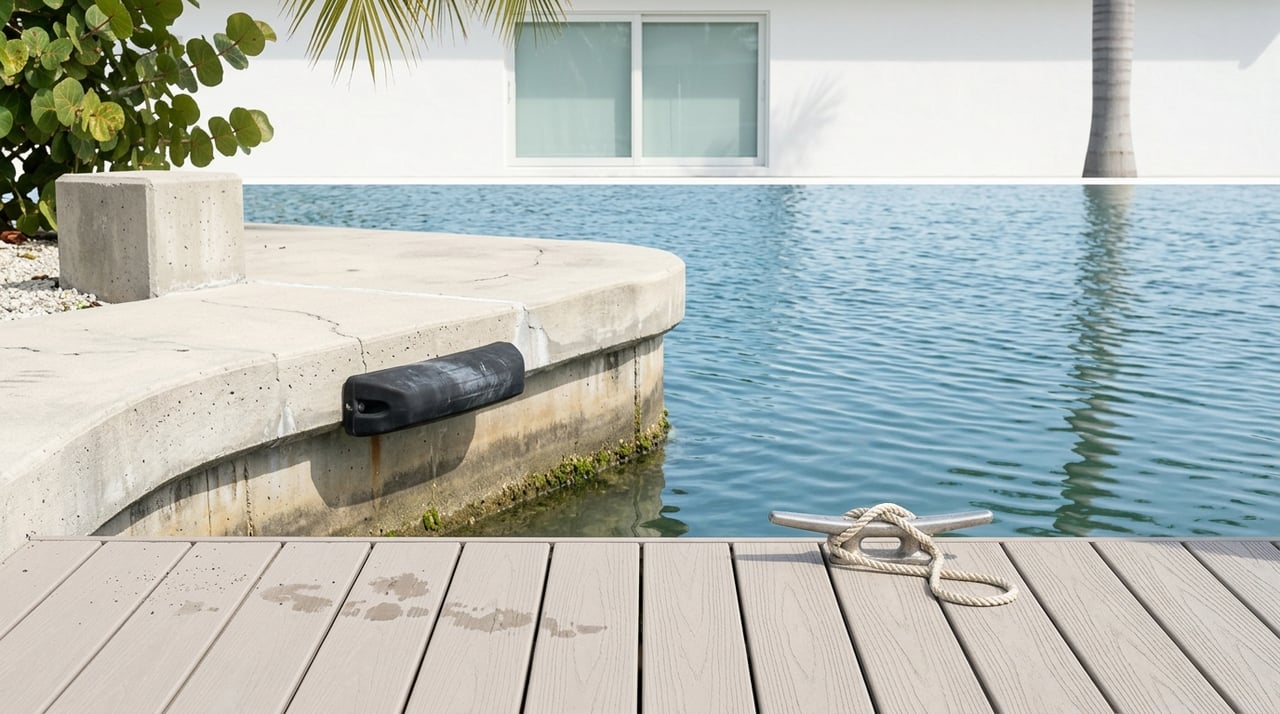
Waterfront living in Nokomis or Osprey can look effortless from the dock, but the smartest buyers know the real work happens before closing. If you are picturing mornings on the bay, easy boat access, and a home that holds its value well, a few local details deserve your attention first. The good news is that with the right due diligence, you can buy with more clarity and fewer surprises. Let’s dive in.
Start With Flood Risk
If you are buying waterfront in Osprey or nearby Nokomis, begin with the flood map, not the marketing photos. Sarasota County says FEMA issued new flood maps on March 27, 2024, and those revisions can affect insurance requirements, premiums, and base flood elevations.
The flood zone matters because it can change both your monthly costs and your future renovation options. Sarasota County identifies higher-risk Special Flood Hazard Area zones such as A, AE, AH, AO, and VE, along with lower-risk X and X500 zones.
If the property is in a Special Flood Hazard Area and you are using a federally backed mortgage, flood insurance is required. Even if it is not required, Sarasota County notes that every property in the county has some level of flood risk.
Understand Insurance Early
One of the biggest mistakes waterfront buyers make is waiting too long to price insurance. Flood insurance and homeowners insurance are separate decisions, and Sarasota County notes that most homeowners insurance policies do not cover flood damage.
Florida’s Chief Financial Officer also notes that many homeowners policies include a separate hurricane deductible for windstorm or hurricane losses. That is why it is smart to request both a flood quote and a homeowners quote early in the process.
If a parcel appears to be moving from X or X500 into a Special Flood Hazard Area under the 2024 map revision, timing may matter. Sarasota County says buyers with federally backed mortgages may sometimes reduce rate shock by purchasing before the effective date of the map change.
Check Elevation and Future Building Limits
A beautiful waterfront lot is only part of the story. You also want to understand how elevation affects insurance, future improvements, and compliance.
Sarasota County says buyers should use the property appraiser site to help identify required elevation information for new construction or substantial improvements. In some cases, insurers may also request a new elevation certificate if the flood zone or base flood elevation changes.
This becomes even more important on coastal parcels. Sarasota County notes that properties in VE or Coastal A/LiMWA areas can face stricter elevation standards than inland zones.
Review Dock and Seawall Permits
A dock, lift, seawall, or shoreline improvement can add real lifestyle value, but only if the work was properly handled. Sarasota County Environmental Protection reviews these projects through its Water and Navigation Control Authority program.
That includes docks, boat lifts, personal watercraft lifts, rock revetments, bulkheads, and maintenance dredging. Depending on the scope, the work may fall under a General Permit, Minor Work Permit, or Major Work Permit.
Before you close, ask for the permit file for any waterfront structure or shoreline work. Owners are responsible for required federal, state, and county approvals, so a missing paper trail can become your problem after closing.
Know What Shoreline Changes Are Allowed
Some buyers assume they can simply replace a seawall, reshape a shoreline, or trim vegetation later if needed. In reality, waterfront improvements often involve environmental review and location-specific rules.
Florida DEP says living shorelines can be a natural alternative to hardened structures like seawalls and bulkheads. Some smaller projects may qualify for a permit exemption, but you still need to verify what was actually approved, what was exempt, and whether future work would trigger a new review.
Mangroves are another major issue in this part of Sarasota County. The county says many mangrove trimming activities require a permit, and any permitted trimming or alteration must be done by a Professional Mangrove Trimmer.
Make Sure the Water Works for Your Boat
Not all waterfront is equal for boating. A home may have a dock and still be a poor fit for your vessel if the water depth, tides, route, or bridge access do not line up with how you plan to use it.
NOAA says nautical charts are the primary navigation product for showing water depths, shoreline, aids to navigation, and related features. NOAA’s Coast Pilot also notes that the Intracoastal Waterway project from the Caloosahatchee River to the Anclote River is planned at 9 feet deep and 100 feet wide, though channels can shoal between dredgings.
For the Nokomis and Osprey area, NOAA says these communities sit on Roberts Bay, Dona Bay, and Lyons Bay inside and east of Venice Inlet. The same source notes that reported drafts of about 2 to 5 feet could be taken to landings in these towns.
That is useful general guidance, but it is not enough to rely on by itself. If boating is a priority, one of the most useful checks is an on-water test at low tide before closing.
Verify Bridges and Tidal Timing
Bridge access can be just as important as water depth. In Osprey, NOAA’s Coast Pilot says the Blackburn Point Bridge opens on signal, but on weekdays it opens only at scheduled intervals.
If you own a taller vessel or sailboat, this matters. You should confirm both bridge clearance and opening schedules based on the specific boat you plan to keep at the property.
NOAA also notes a manatee caution zone in Venice Inlet and Roberts, Dona, and Lyons Bays. It also points mariners to tidal-current predictions, since current speed and bridge locations can affect timing and ease of travel.
Watch for Environmental Constraints
Waterfront ownership often comes with extra stewardship responsibilities. In Sarasota County, environmental features can affect what you can build, trim, repair, or light near the shoreline.
The county says seagrass is important for shoreline stabilization and local wildlife, and it actively monitors seagrass across its bays. The county is also one of Florida’s priority manatee counties, and manatee protection review is triggered for development proposals with five or more motorized wet or dry slips, though single-family docks are exempt.
Protected shoreline vegetation is another factor. Sarasota County says mangroves are specially protected, and many trimming activities require permits.
For beachfront or barrier-island properties in the wider Nokomis and Osprey area, additional coastal review may apply. The county also notes that its Marine Turtle Protection Ordinance can affect lighting and overnight beach items during nesting season.
Think About Resale From Day One
The best waterfront purchases are not just enjoyable now. They are also easier to explain and market later.
In practice, buyers tend to feel more confident when a property has clear documentation. That usually means current flood-zone information, an elevation certificate or survey, permit history for dock or shoreline work, and a navigation route that fits the intended boat.
Predictability often matters more than raw frontage. If your future buyer can quickly understand the flood exposure, insurance picture, dock history, and boating access, your home may be easier to position when it is time to sell.
Your Waterfront Due Diligence Checklist
Before removing contingencies, try to confirm the following:
- Current FEMA flood zone and whether the parcel appears in Sarasota County’s 2024 map revision
- Elevation certificate or survey data for the structure
- Flood insurance quote and homeowners insurance quote, including the hurricane deductible
- Permit history for any dock, lift, dredging, bulkhead, seawall, or shoreline stabilization work
- Whether mangroves, seagrass, turtle lighting, or manatee rules affect the site
- Actual water depth at the dock and along the route at low tide
- Bridge clearances and opening schedules for your intended boat
Sarasota County also says its stormwater division offers flood mitigation assistance, property protection consultation, and individual site visits. That can be a valuable second opinion before you move forward.
If you are considering waterfront in Osprey or Nokomis, a polished showing is only the beginning. The real advantage comes from pairing the lifestyle vision with careful local review, so you know exactly what you are buying and how it will work for you long term.
When you want experienced guidance on Sarasota-area waterfront homes, The Campbell Group offers a concierge approach built around local knowledge, clear communication, and thoughtful due diligence.
FAQs
What flood insurance should you check before buying waterfront in Osprey?
- You should request a flood insurance quote and a homeowners insurance quote early, since Sarasota County says flood damage is usually not covered by standard homeowners insurance and Florida policies may also include a separate hurricane deductible.
What dock permits matter for a waterfront home in Nokomis or Osprey?
- You should review the permit history for any dock, boat lift, personal watercraft lift, dredging, bulkhead, seawall, rock revetment, or shoreline stabilization work through Sarasota County’s permitting records.
What boating access should you verify before buying waterfront near Blackburn Point Bridge?
- You should confirm actual water depth at low tide, the route to open water, bridge clearance, and the Blackburn Point Bridge opening schedule to make sure the property works for your vessel.
What environmental rules can affect waterfront property in Sarasota County?
- Depending on the site, you may need to account for mangrove permitting, seagrass conditions, manatee-related review, and on some coastal properties, turtle-lighting and beach-item restrictions during nesting season.
What documents help protect resale value for waterfront homes in Osprey or Nokomis?
- The most useful records usually include current flood-zone information, an elevation certificate or survey, permit history for waterfront improvements, and evidence that the boating route fits the intended use.