Are Port Charlotte and Punta Gorda smart places to buy an investment or second home right now? For many buyers, the answer starts with the same question: how do you balance lifestyle appeal with real numbers that make sense on paper? If you are weighing canal access, seasonal demand, future retirement plans, or short-term rental potential, this guide will help you compare both markets, understand key costs, and know what to verify before you buy. Let’s dive in.
Port Charlotte vs. Punta Gorda Prices
Port Charlotte and Punta Gorda sit in the same broader harbor area, but they play very different roles for buyers. As of March 2026, Redfin reported a median sale price of $276,001 in Port Charlotte and $522,450 in Punta Gorda.
That price gap matters if you are deciding where to enter the market. Port Charlotte may feel more accessible if you want a lower purchase price, while Punta Gorda may appeal if you are looking at a higher-end waterfront or second-home purchase in a more premium price band.
Market pace also differs. Redfin showed average time on market at about 57 days in Port Charlotte and about 95 days in Punta Gorda, which suggests Punta Gorda can move more slowly. That does not predict future returns, but it does tell you to plan for different pricing and negotiation conditions in each area.
Recent listing snapshots support that same pattern. Median asking prices were near $299,000 in Port Charlotte and $465,000 in Punta Gorda, reinforcing Port Charlotte as the lower entry point and Punta Gorda as the more expensive market.
Why Buyers Look Here
Waterfront lifestyle draws demand
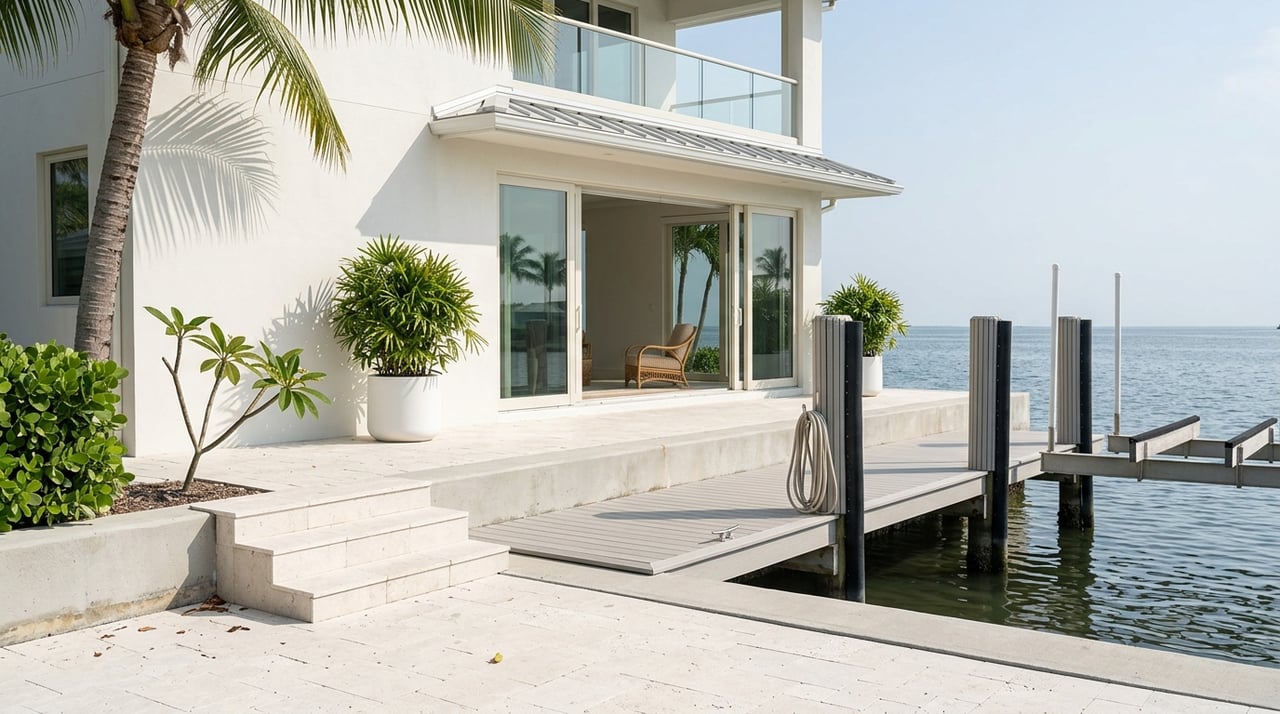
This part of Charlotte County has strong lifestyle appeal, which matters for both second-home buyers and investors. VISIT FLORIDA describes Port Charlotte as a destination with 165 miles of man-made waterways, plus Gulf access, fishing, and outdoor recreation.
Punta Gorda offers a different but equally strong draw. It is known for its historic downtown, waterfront pathways, parks, boating access, and the Harborwalk and Peace River setting. If your buying decision includes personal use, guest appeal, or future resale positioning, that waterfront lifestyle is part of the story.
Retirement and seasonal ownership matter
Demographic patterns also help explain buyer interest. Census data show Punta Gorda city is 53.6% age 65+, while Port Charlotte CDP is 33.1% age 65+.
That does not guarantee rental demand or resale performance. It does, however, support the idea that both markets appeal to retirees, seasonal owners, and buyers planning a future move to Florida.
Airport access supports second-home use
Punta Gorda Airport is another practical advantage for out-of-area buyers. The airport reported 2,282,002 passengers in 2025, up 18.5% from 2024, and noted Allegiant nonstop roundtrip service to 50+ destinations, plus seasonal Sun Country service to Minneapolis.
For a second-home owner, easier travel can make ownership more convenient. For an investor, that same access may support recurring demand from visiting family, seasonal guests, or part-time owners.
Rent Modeling Requires Caution
One of the most useful takeaways from the data is that higher home prices do not automatically mean higher rents. Census estimates show Port Charlotte with a median value of owner-occupied housing units at $269,900 and median gross rent of $1,553.
Punta Gorda showed a median owner-occupied value of $518,100 and median gross rent of $1,410. These are broad ACS estimates, not a substitute for property-specific rent comps, but they are a strong reminder that pricing and rent do not always move together.
If you are underwriting a purchase, model each property individually. A canal-front home, condo, seasonal property, or long-term rental can perform very differently depending on location, condition, fees, flood exposure, and intended use.
Costs That Can Change the Deal
Flood risk is not optional research
In Charlotte County, flood due diligence should happen before you make an offer. The county states that flooding is one of the area’s most common and costly disasters, and that flood damage is not covered by normal homeowners insurance.
The county also notes that flood insurance is mandatory for properties in Special Flood Hazard Areas when the mortgage is federally backed. It provides flood-zone lookup tools and elevation certificate access, which can help you evaluate insurance needs and property risk early.
This is especially important because Charlotte County is low-lying and surrounded by water. The county also advises buyers to research flood zones and evacuation zones as part of the purchase process, not as an afterthought.
Coastal maintenance adds real carrying costs
Waterfront and coastal ownership can come with extra upkeep. FEMA notes that salt spray and humid coastal conditions can speed up corrosion of metal connectors and fasteners.
UF/IFAS also points out that coastal landscapes need added planning for wind, salt, and sandy soils. Florida Disaster materials further note that homes built to newer Florida Building Code standards can be more hurricane-resistant when key components such as roofs, straps, windows, doors, and garage doors are in good condition.
For you as a buyer, that means inspections should go beyond finishes and square footage. Age, maintenance history, storm-readiness, and exposure to coastal conditions can all affect long-term ownership costs.
Special assessments can affect monthly math
Charlotte County explains that MSBU and MSTU districts can fund items such as road and drainage maintenance, waterway dredging, stormwater utilities, fire protection, and sanitation. These assessments are not based on property value.
That makes them easy to overlook if you only focus on price, taxes, and insurance. Before you buy, check parcel-specific records so you understand every recurring cost attached to the property.
Short-Term Rental Rules to Verify
If you plan to use a property as a vacation rental, local rules matter. In Port Charlotte and unincorporated Charlotte County, the county says rental property available for less than six months requires a local business tax.
Short-term or vacation rental activity must also register for tourist development tax. The county says owners and operators must remit that tax monthly, due by the 20th of the following month, and keep supporting records for three years.
The county also notes that bona fide written leases longer than six months are exempt from sales tax and tourist tax on the lease payments. If your strategy is more flexible than a standard long-term lease, this distinction matters.
Punta Gorda vacation rentals have city requirements
Inside the City of Punta Gorda, vacation rental use carries additional local steps. The city says a vacation rental requires a City Business Tax Receipt, a valid DBPR public lodging establishment license, and a city inspection for zoning, building, and fire-code compliance before the receipt is issued.
The city ties vacation rentals to Florida’s transient lodging definition for dwellings rented more than three times in a calendar year for periods under 30 days, or advertised as regularly rented. If Punta Gorda is on your shortlist, verify these requirements before you assume a property fits your plan.
Short stays can face layered taxes
Short-term rental income should be modeled carefully because taxes can stack up. Florida’s state sales tax is 6%, Charlotte County’s discretionary sales surtax is 1%, and Charlotte County’s tourist development tax is 5%.
That means a short stay can face about 12% in transaction taxes before standard operating costs. If you are comparing a seasonal rental strategy with a longer lease, those tax differences can materially change net income.
Future Retirement and Homestead Planning
Many buyers in Port Charlotte and Punta Gorda are not just buying for today. You may be purchasing a second home now with plans to make it your primary residence later.
Florida states that the homestead exemption applies when someone owns property and makes it their permanent residence or the permanent residence of a dependent. That means investors and most second-home buyers should not assume homestead treatment will apply right away.
If you may convert the home to a primary residence in the future, ask early how that change could affect your long-term tax planning. It is one more reason to match the purchase structure with your real timeline.
A Smart Buyer Checklist
Before you commit to a property in Port Charlotte or Punta Gorda, confirm the details that can most affect your numbers and your use plan.
- Confirm the flood zone and whether an elevation certificate is available.
- Estimate likely flood insurance needs before making an offer.
- Verify whether your planned use requires a local business tax receipt, tourist-tax account, or vacation-rental license.
- Check zoning before assuming short-term rental or other intended use is allowed.
- Review any MSBU or MSTU assessments tied to the parcel.
- Ask whether the property may qualify for homestead exemption later if you plan to make it your primary residence.
Choosing Between Port Charlotte and Punta Gorda
If your goal is a lower entry price and a market with a lower current median sale price, Port Charlotte may deserve a close look. If you are drawn to a more premium purchase point, a historic waterfront setting, and a market with a higher current price profile, Punta Gorda may align better.
The right choice depends on what you are buying for. Some buyers care most about cost of entry, while others are focused on personal use, boating access, future retirement plans, or vacation-rental compliance.
In either market, the strongest opportunities usually come from careful property-level analysis. Price is only the starting point. Flood exposure, insurance, assessments, rental rules, and maintenance realities often shape the true investment picture.
When you want a polished, local perspective on Gulf Coast lifestyle property, second-home strategy, or investor opportunities, The Campbell Group offers a concierge approach built around clear guidance, local expertise, and thoughtful planning.
FAQs
What is the price difference between Port Charlotte and Punta Gorda homes?
- As of March 2026, Redfin reported a median sale price of $276,001 in Port Charlotte and $522,450 in Punta Gorda.
Is Port Charlotte or Punta Gorda better for a lower-cost entry purchase?
- Based on current median sale price data, Port Charlotte appears to be the more accessible entry market, while Punta Gorda sits at a higher price point.
Do Punta Gorda homes rent for more than Port Charlotte homes?
- Not necessarily. Census estimates show Port Charlotte with a median gross rent of $1,553 and Punta Gorda at $1,410, which is why each property should be modeled using its own rent comps.
What should buyers check about flood risk in Charlotte County?
- You should confirm the flood zone, review elevation certificate availability, and estimate flood insurance needs because Charlotte County says flood damage is not covered by standard homeowners insurance.
What are the short-term rental rules for Port Charlotte properties?
- In Port Charlotte and unincorporated Charlotte County, rentals available for less than six months require a local business tax, and short-term or vacation rental activity must also register for tourist development tax.
What are the vacation rental rules inside Punta Gorda city limits?
- The City of Punta Gorda says a vacation rental requires a City Business Tax Receipt, a valid DBPR public lodging establishment license, and a city inspection for zoning, building, and fire-code compliance.
How much tax can apply to short-term rentals in Charlotte County?
- Short stays can face about 12% in transaction taxes, based on Florida’s 6% state sales tax, Charlotte County’s 1% discretionary surtax, and the county’s 5% tourist development tax.
Can a second home in Port Charlotte or Punta Gorda qualify for homestead right away?
- Florida says the homestead exemption applies when the property is your permanent residence or the permanent residence of a dependent, so most investors and second-home buyers should not assume it applies immediately.