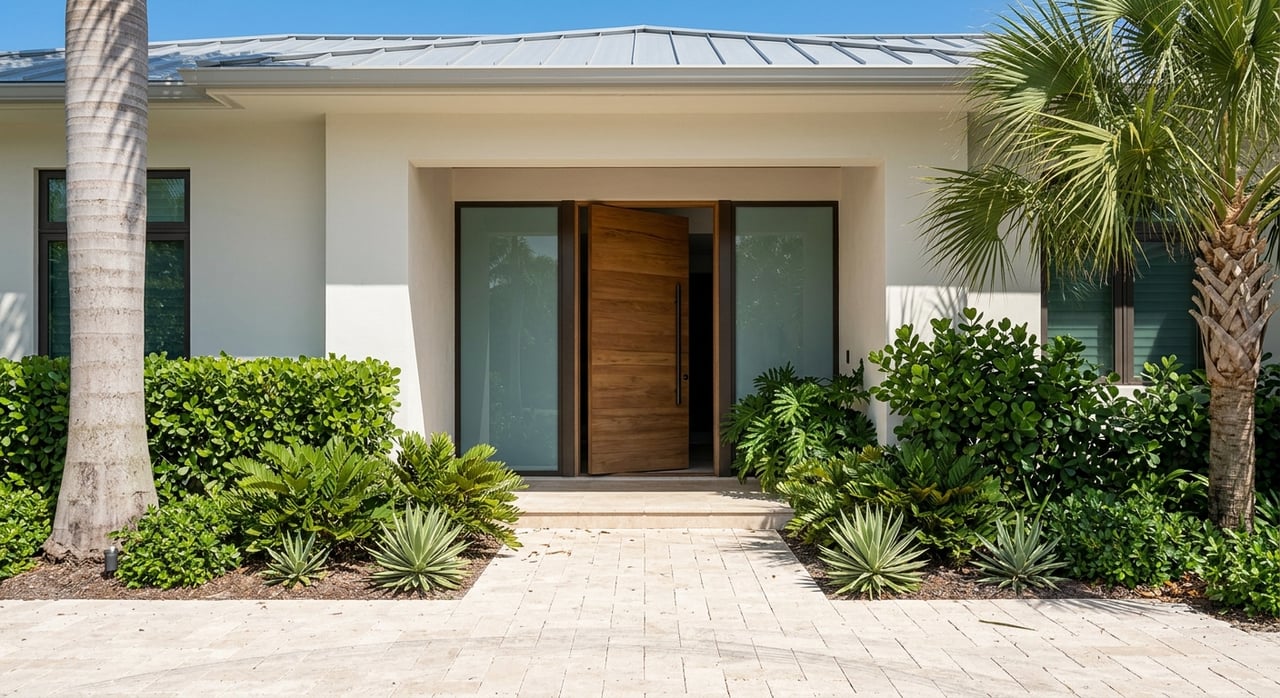
Thinking about a move to Punta Gorda? If you want Gulf Coast living without the scale and pace of a larger metro, this small waterfront city may be exactly what you are looking for. The key is planning your relocation around how you want to live day to day, not just which home catches your eye online. Here is how to organize your move with more clarity, fewer surprises, and a better long-term fit.
Why Punta Gorda Stands Out
Punta Gorda offers a different experience than larger nearby Gulf Coast cities. The city had an estimated 20,416 residents in 2024, which is much smaller than Sarasota, Fort Myers, and Cape Coral. That smaller scale helps shape the city’s character, with a focus on waterfront parks, connected pathways, and locally oriented shops and restaurants.
For many buyers, that means you can enjoy a more water-centered lifestyle without taking on the complexity that often comes with a larger metro area. If you are relocating for retirement, a second home, or a lifestyle change, Punta Gorda’s size can feel more manageable from the start.
Start With Lifestyle Goals
Before you narrow your home search, define what daily life should look like. In Punta Gorda, your choice is often less about square footage alone and more about whether you want to be near downtown, on a canal, or in a lower-maintenance condo or townhome setting near the waterfront.
That distinction matters because different areas can come with different surroundings, routines, and property considerations. The city’s maps and overlay districts also mean that two nearby properties may not have the same development rules or future-use context.
Consider downtown living
Downtown Punta Gorda, known in city rules as the Traditional Punta Gorda district, is treated as a special area intended to preserve historic structures and streetscapes. If you like the idea of being close to the city core, this area may appeal to you for its walkable setting and connection to the waterfront.
When you tour homes here, look beyond the house itself. Pay attention to parking, street patterns, access to parks, and how close you want to be to restaurants, marinas, and the Harborwalk.
Explore canal-front options
Canal-front homes are one of Punta Gorda’s signature property types. The city maintains a canal system with 45 miles of canals and inlets, divided into the Burnt Store Isles and Punta Gorda Isles maintenance districts.
If boating access is important to you, this should be part of your shortlist. At the same time, it is wise to understand that canal-front ownership can include added carrying costs tied to district assessments that help fund dredging, seawall work, and related maintenance.
Think about lower-maintenance living
If you want easier lock-and-leave ownership, a condo or townhome near downtown or the waterfront may fit your goals better. This can be especially useful if Punta Gorda will be a seasonal residence or if you want to spend less time on exterior upkeep.
During your search, compare not just price but also how much maintenance, parking, storage, and waterfront access you want built into your routine.
Plan a Smart Scouting Trip
A relocation visit should help you test your future routine, not just preview listings. Punta Gorda Airport is about five minutes off I-75 and offers low-cost nonstop service to more than 50 destinations, which can make scouting trips easier for out-of-state buyers.
Try to see more than one part of town in a single visit. A strong scouting trip should include downtown, at least one canal neighborhood, and one or two waterfront amenities so you can compare pace, access, and atmosphere.
Places worth seeing in person
Punta Gorda’s public spaces tell you a lot about how the city lives day to day. The city maintains more than 20 parks, and several are especially useful when you are deciding whether the area fits your lifestyle.
Consider adding these stops to your visit:
- Gilchrist Park for waterfront views and Harborwalk access
- Laishley Park Municipal Marina for a look at boating activity, slips, and public launch access
- Ponce de Leon Park for the boardwalk, fishing pier, beach area, wildlife setting, and boat ramps
- Linear Park to understand how downtown connects to Fishermen’s Village and the waterfront
These stops can help you picture what a normal weekday or weekend might feel like after the move.
Test Transportation and Daily Convenience
Punta Gorda is small, but convenience still varies by location. If possible, use your scouting trip or temporary stay to drive the routes you would likely use most often, including groceries, medical appointments, marina access, and airport trips.
Transportation is another plus for this market. Charlotte County Transit provides curb-to-curb service within the county, including Punta Gorda, and the service is currently fare-free.
Check walkability and biking access
If active living matters to you, Punta Gorda gives you practical ways to test that fit. The city promotes bicycling with flat terrain, mild winters, and four marked on-street bicycle routes ranging from 17 to 31 miles.
You can also explore the Harborwalk and Linear Park to see whether walking or biking would become part of your real routine. That is especially important if your move is motivated by lifestyle as much as housing.
Use Temporary Housing to Reduce Risk
If your schedule allows, temporary housing can be one of the smartest parts of your relocation plan. A few days near downtown may feel very different from a few days in a canal neighborhood, even within a small city.
That extra time can help you notice details that are easy to miss during a fast home search. You may learn that you want quicker marina access, a quieter street pattern, or easier access to parks and pathways.
Verify Flood and Hurricane Readiness Early
This is one of the most important parts of relocating to Punta Gorda. Charlotte County states that standard homeowners insurance does not cover flood damage, and flood insurance has a 30-day waiting period.
Flood insurance is also mandatory for federally backed mortgages in Special Flood Hazard Areas. Before you write an offer, review flood-zone information for the property and make sure you understand insurance timing, potential coverage needs, and the property’s overall storm-readiness context.
Review city and county preparedness tools
The city directs residents to flood readiness, hurricane preparedness, evacuation zones, and its Alert Punta Gorda notification system. These resources are worth reviewing before closing, not after move-in.
If you are buying from out of state, this step helps you plan with fewer last-minute issues and gives you a more complete picture of ownership costs and preparedness needs.
Build Your Florida Timeline Into Closing
A smooth move often depends on what happens after the contract, not just before it. New Florida residents must get a Florida driver license within 30 days of establishing residency.
Vehicle title and registration must be completed within 10 days, and Florida insurance is required for registration. If the home will be your primary residence, remember that homestead exemption applications have a March 1 filing deadline according to Charlotte County and the Florida Department of Revenue.
Set Up Utilities Before Move-In
When you are coordinating a long-distance move, utility setup deserves an early spot on your checklist. The City of Punta Gorda Utilities Department serves customers both inside and outside city limits within its service area.
For account ownership changes, the city requires a deed or proof of sale. If your move includes a remote closing, renovation, or delayed occupancy, handling this early can make the transition much easier.
Include these move-in tasks
Keep a simple relocation checklist so nothing falls through the cracks. Your list should include:
- Utility transfer setup with required ownership documents
- Water, sanitation, and billing review
- Flood insurance timing review
- Driver license update timeline
- Vehicle registration and Florida insurance timeline
- Homestead exemption filing deadline, if applicable
- Canal district assessment review for waterfront homes
Understand Canal District Costs
If you are buying on the water, look closely at the full cost of ownership. In Punta Gorda’s canal areas, maintenance work is funded by district assessments, and each district has its own budget.
That means your true carrying costs may include more than mortgage, taxes, and insurance. Before closing, confirm whether the property is in a canal maintenance district and how that affects your annual budget.
Compare Punta Gorda With Larger Gulf Coast Cities
If you are deciding between Punta Gorda and a larger Gulf Coast market, the biggest difference is scale. Punta Gorda is materially smaller than Sarasota, Fort Myers, and Cape Coral, and that shapes everything from traffic patterns to neighborhood feel.
Its appeal comes from that smaller footprint combined with strong waterfront identity, parks, pathway connections, airport access, and boating culture. For many relocating buyers, that creates a lifestyle that feels both relaxed and practical.
Make Your Move With a Clear Plan
Relocating to Punta Gorda works best when you treat the move as a lifestyle decision first and a home search second. Spend time comparing downtown, canal-front, and lower-maintenance options, and make room in your plan for flood review, utility setup, and Florida residency tasks.
With the right preparation, you can move with more confidence and land in a home that truly supports the way you want to live on the Gulf Coast. If you are planning a move and want a more tailored, concierge-level approach, The Campbell Group can help you navigate your options with local insight and white-glove guidance.
FAQs
What makes Punta Gorda different from larger Gulf Coast cities?
- Punta Gorda is much smaller than nearby cities like Sarasota, Fort Myers, and Cape Coral, which gives it a more residential, waterfront-centered feel with strong access to parks, pathways, and boating amenities.
What should you look at during a Punta Gorda scouting trip?
- You should tour downtown, at least one canal neighborhood, and key public spaces like Gilchrist Park, Laishley Park Municipal Marina, Ponce de Leon Park, and Linear Park to compare lifestyle fit and daily convenience.
What should you know before buying a canal-front home in Punta Gorda?
- You should confirm whether the property is in the Burnt Store Isles or Punta Gorda Isles maintenance district and review any non-ad valorem assessments that may affect your ownership costs.
What flood insurance facts matter when moving to Punta Gorda?
- Charlotte County says standard homeowners insurance does not cover flood damage, flood insurance has a 30-day waiting period, and it is required for federally backed mortgages in Special Flood Hazard Areas.
What transportation options are available in Punta Gorda?
- Punta Gorda has convenient access to I-75 and Punta Gorda Airport, and Charlotte County Transit provides curb-to-curb service within the county, including Punta Gorda, with fare-free service at this time.
What Florida paperwork should new Punta Gorda residents plan for?
- New residents must get a Florida driver license within 30 days of establishing residency, title and register vehicles within 10 days, and file for homestead exemption by March 1 if the property will be their primary residence.